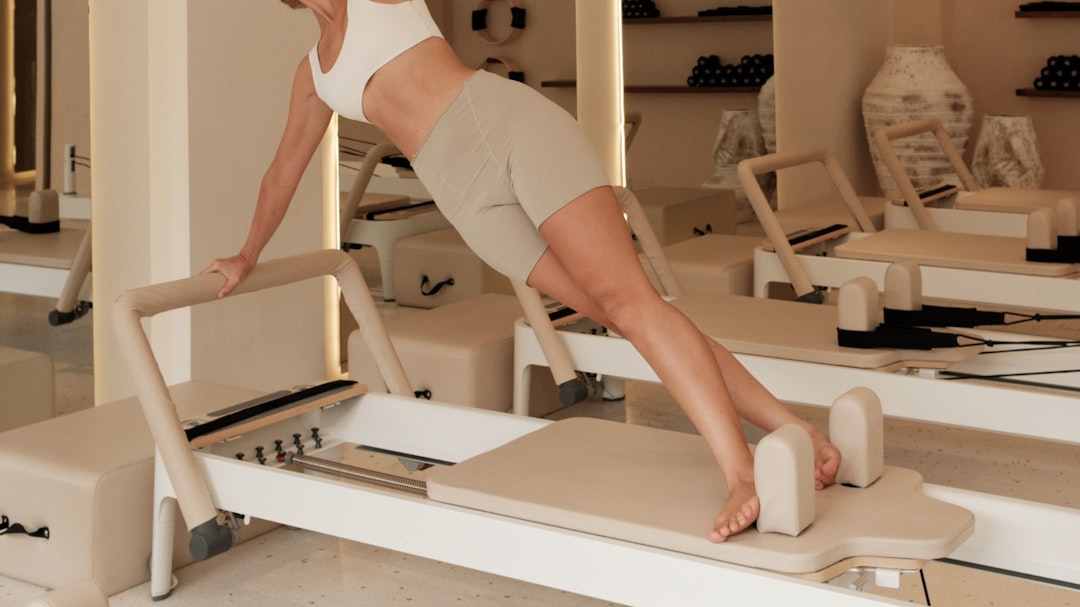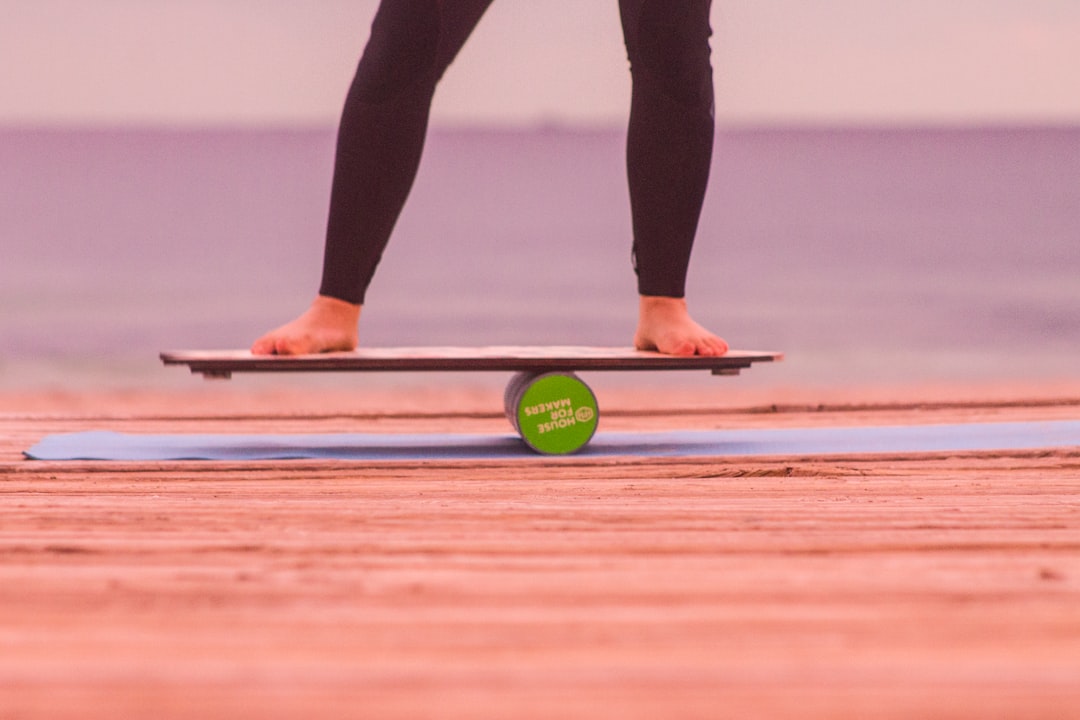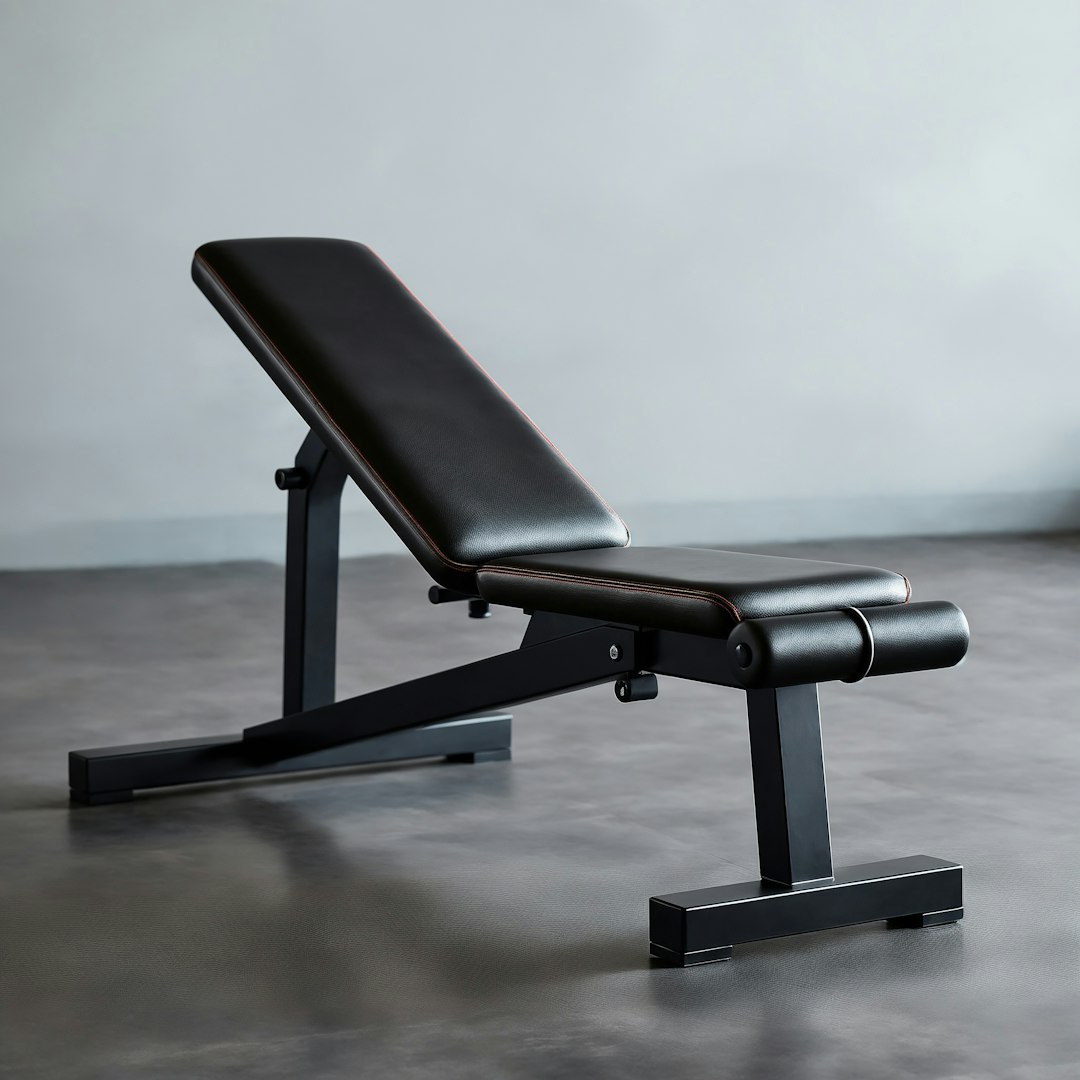
Crafted with durable materials that withstand intensive daily use
The same equipment used in professional Pilates studios worldwide
Thousands of happy clients with improved strength and flexibility
Created by Pilates instructors with decades of experience
Years Experience
Happy Customers
Quality Guaranteed
At Harmony Pilates Studio, we believe that professional-grade equipment shouldn't be limited to studios. Our carefully curated collection of Pilates equipment brings studio quality to your home, enabling you to maintain your practice with precision and comfort regardless of where you are.
Each piece of our equipment is crafted with meticulous attention to detail, using high-grade materials that withstand the rigors of daily use while providing the perfect balance of support and resistance necessary for effective Pilates workouts. From our premium reformers to our precisely engineered resistance rings, every product undergoes extensive testing by certified Pilates instructors to ensure optimal performance.
Our equipment features sustainable hardwoods, medical-grade springs, and ultra-durable upholstery that maintain their integrity even after years of intensive use. We source our materials from ethical suppliers who share our commitment to environmental responsibility and product longevity.
All our products come with comprehensive warranties and are certified by leading fitness equipment safety organizations. We stand behind every piece of equipment with our satisfaction guarantee, ensuring that your investment in your physical wellbeing is protected.
Founded in 2008 by former professional dancer and master Pilates instructor Elena Harper, Harmony Pilates Studio began as a boutique studio in London before expanding into equipment design and manufacturing. Today, our equipment is used in over 500 professional studios worldwide and has helped thousands of home practitioners elevate their Pilates practice.
Pilates was originally called "Contrology" by its inventor, Joseph Pilates, who developed the exercise method in the early 20th century as a way to help injured soldiers regain their strength during World War I.
This is an estimate based on average metabolic rates. Individual results may vary.